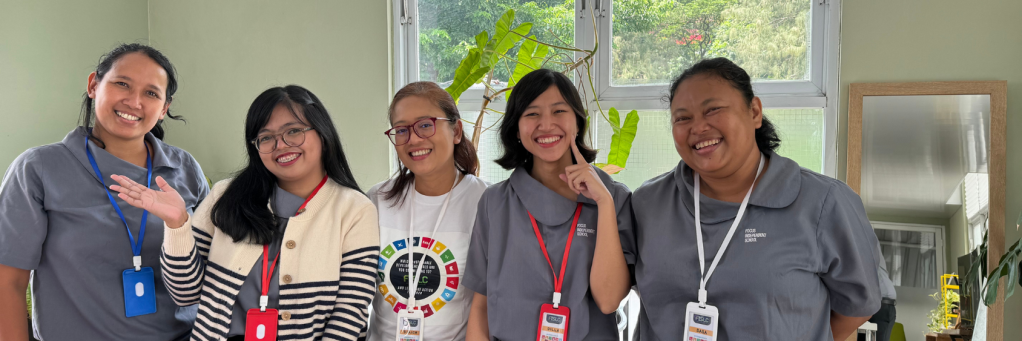
The 2024 Teacher Training Class (TTC) is an annual routine activity for FIS teachers and is held over three months, from January to March. This TTC focused on four main themes that are highly relevant in the context of modern education: Sustainable Development Goals (SDGs), Global Competence, Constructivist Theory, and Service Learning.

Sustainable Learning with the SDGs
The TTC began by delving deep into the SDGs. Teachers were challenged to think creatively about how these sustainability goals could transcend theoretical lessons and be integrated into everyday life. Through direct observation, the teachers were introduced to the practice of SDGs in their surrounding environment. The SDGs don’t have to be seen as lofty goals that are hard to reach; by understanding them up close, it becomes clear that SDGs are indeed tangible in our surroundings and that we can contribute to their achievement through even the simplest actions, such as reducing electricity usage, using public transport to lower carbon emissions, etc.
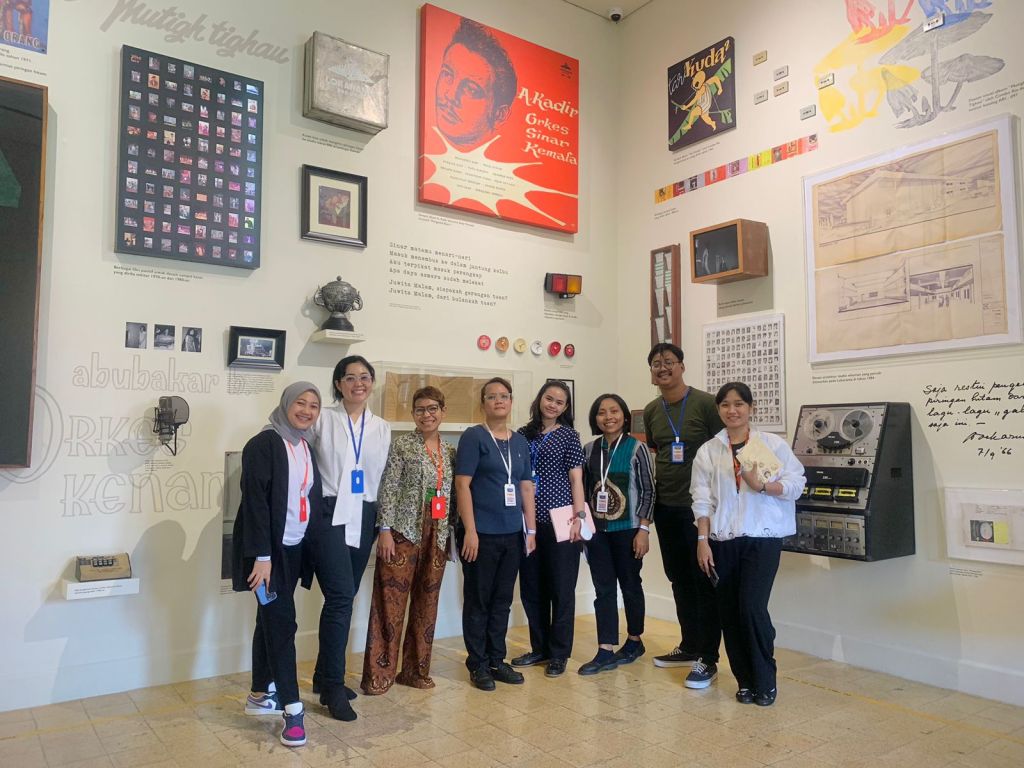
Cultivating Global Competence
The next part of the TTC explored the concept of global competence. In an increasingly connected world, teachers understood the importance of equipping students with the ability to communicate and act in a variety of social and cultural contexts. Through group discussions and simulations, teachers directly experienced how to instill respect and cross-cultural sensitivity in students.
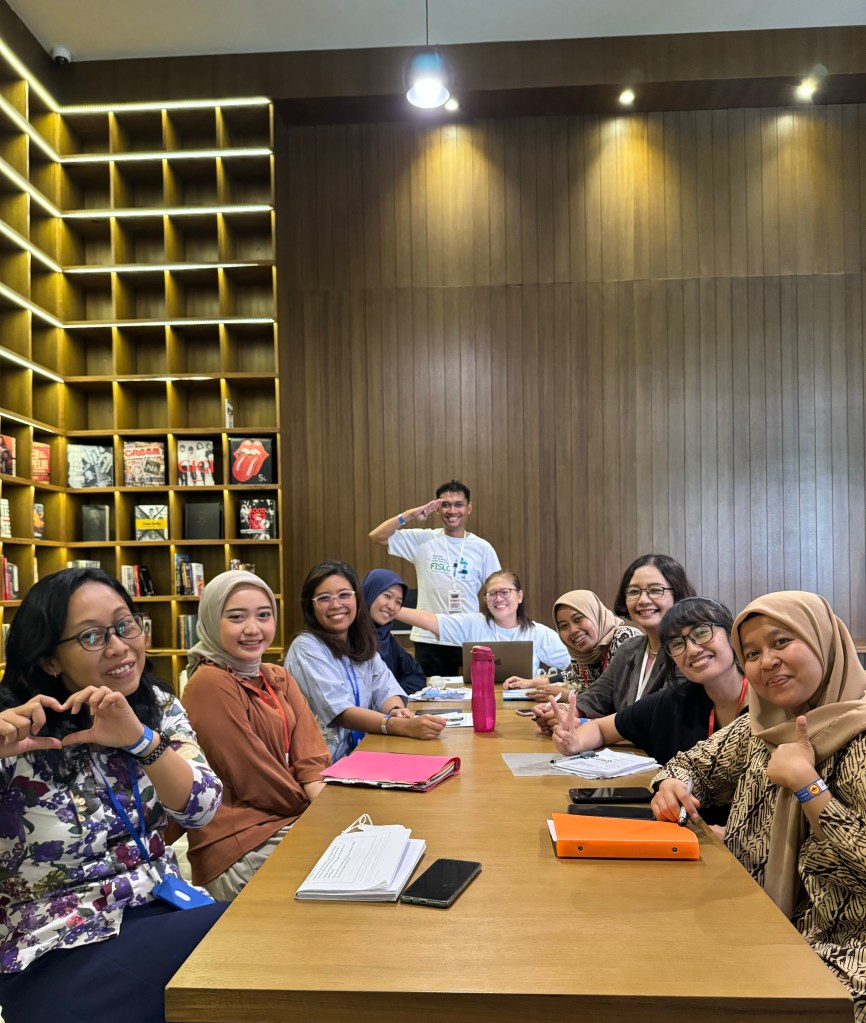
Instilling Constructivist Thinking
Following the flow of the TTC, the teachers were immersed in the world of constructivist theory. In this approach, knowledge is not seen as static but rather something continuously constructed and developed by the learner. Through hands-on activities, the teachers experienced how constructivist strategies could encourage students to become more independent and creative learners.
Learning Experience Through Service Learning
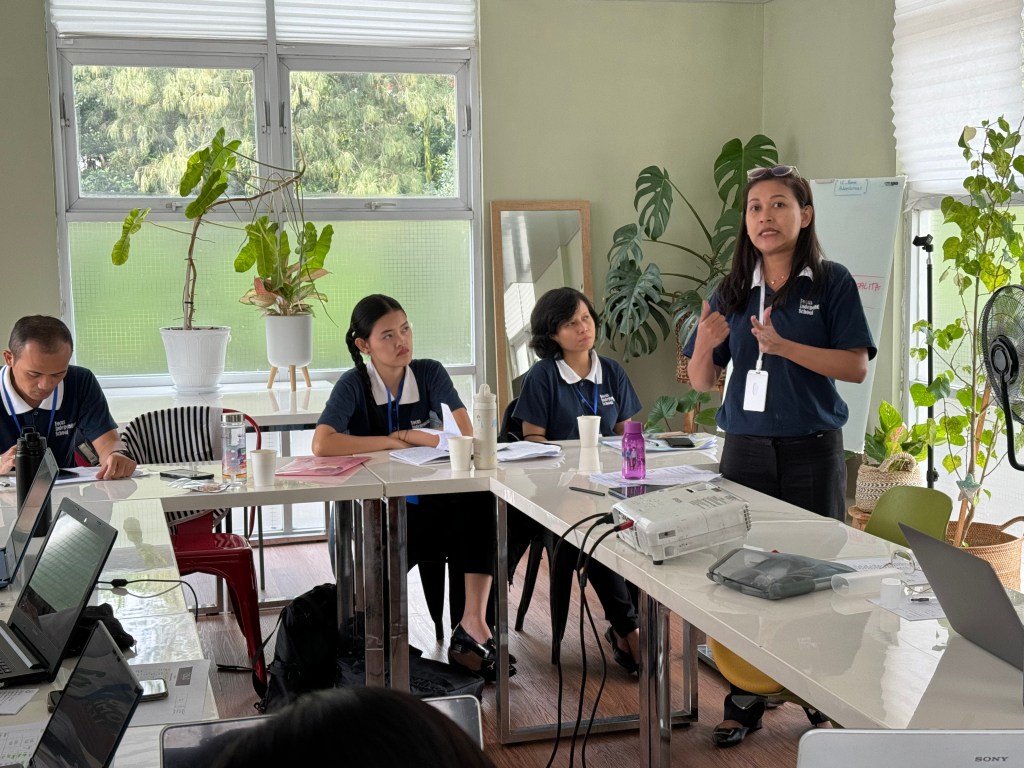
The TTC concluded with an interactive session on service learning. EYP teachers were guided to design projects that connect curricular content with community service, allowing students to apply their lessons in a real-world context while making a positive contribution to society. Participants were encouraged to reflect on how service learning can enhance students’ understanding of social justice and social entrepreneurship.
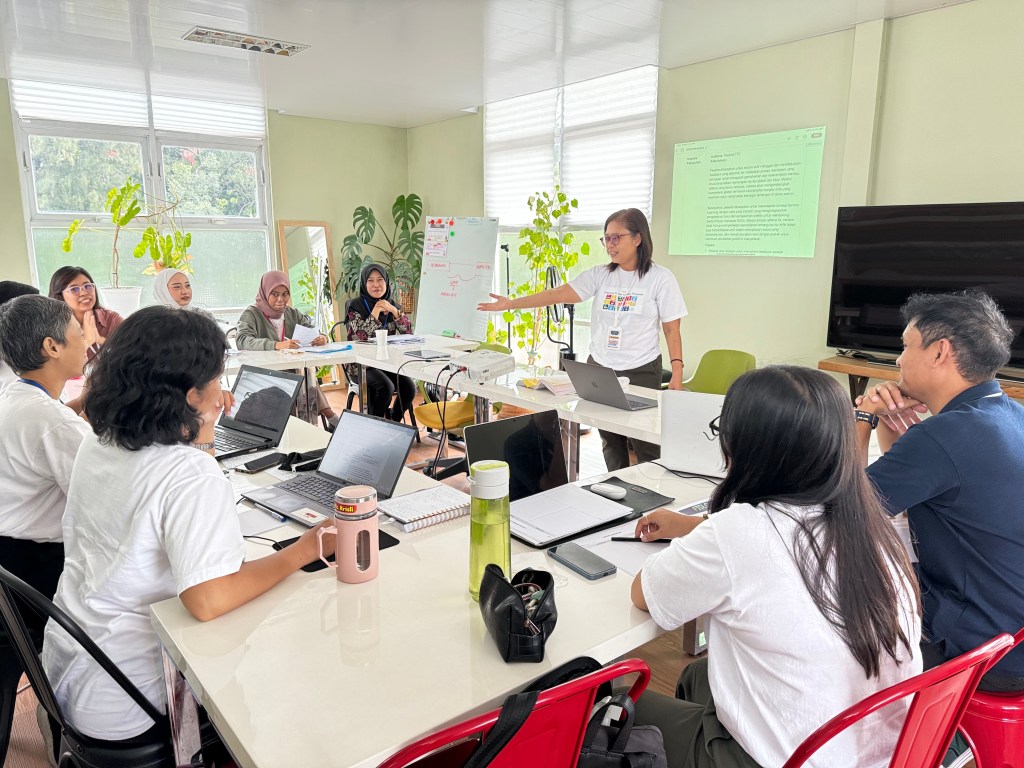
This training was not merely about enhancing knowledge; it also equipped educators with the tools and inspiration to inspire the next generation. With this new insight, EYP teachers are ready to return to the classroom, eager to implement new strategies and develop a stimulating, dynamic, and empathetic learning environment for all students. ***




 F I S L C
Leave a comment