
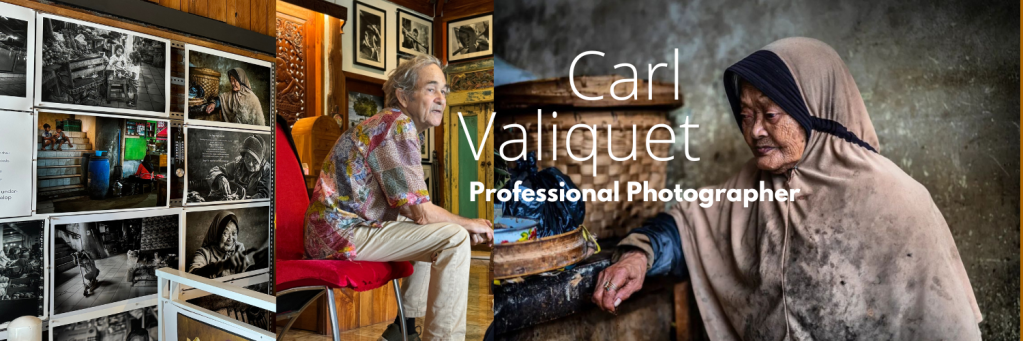
LC: Carl, thank you for joining us today. Your work in photography has been inspiring to many. Let’s start with the basics – what does photography mean to you?
Carl Valiquet: Thanks for having me. Photography, to me, is the art of capturing the essence of a moment, all through the interplay of light and shadows. It’s about telling a story, conveying an emotion, and showing a perspective that might otherwise go unnoticed.
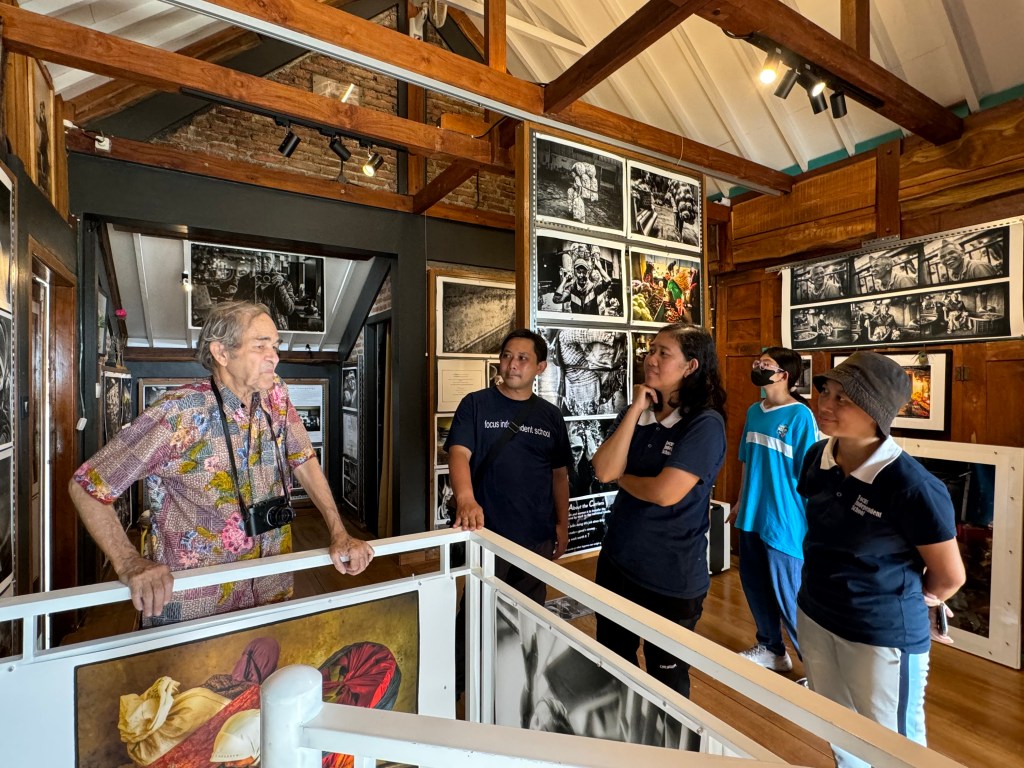
LC: You often mention ‘writing with light.’ Can you elaborate on this concept?
Carl Valiquet: Absolutely. The term ‘photography’ literally means ‘writing with light’ from its Greek roots. I see each photograph as a piece of writing, where light is my ink and the world is my paper. It’s about using light to etch emotions and stories into a visual format.
LC: How do you balance the technical and artistic aspects of photography?
Carl Valiquet: Photography is as much about understanding your gear and the principles of light as it is about artistic expression. For me, the technical side provides the tools, but the artistic side drives the vision. It’s a constant learning process to balance these aspects to create images that speak to the viewer.

LC: What inspires you to keep taking photographs?
Carl Valiquet: Life itself is my biggest inspiration. The way light falls on a landscape, the expressions on a person’s face, the unnoticed corners of a city street – there’s always something new and exciting to capture. Photography allows me to explore, observe, and appreciate the world in unique ways.
LC: Any advice for aspiring photographers?
Carl Valiquet: Keep shooting and never stop learning. Photography is a journey, not a destination. Pay attention to the light, the world around you, and the stories you want to tell. Most importantly, put a bit of yourself in every image you capture. That’s what makes it truly yours.
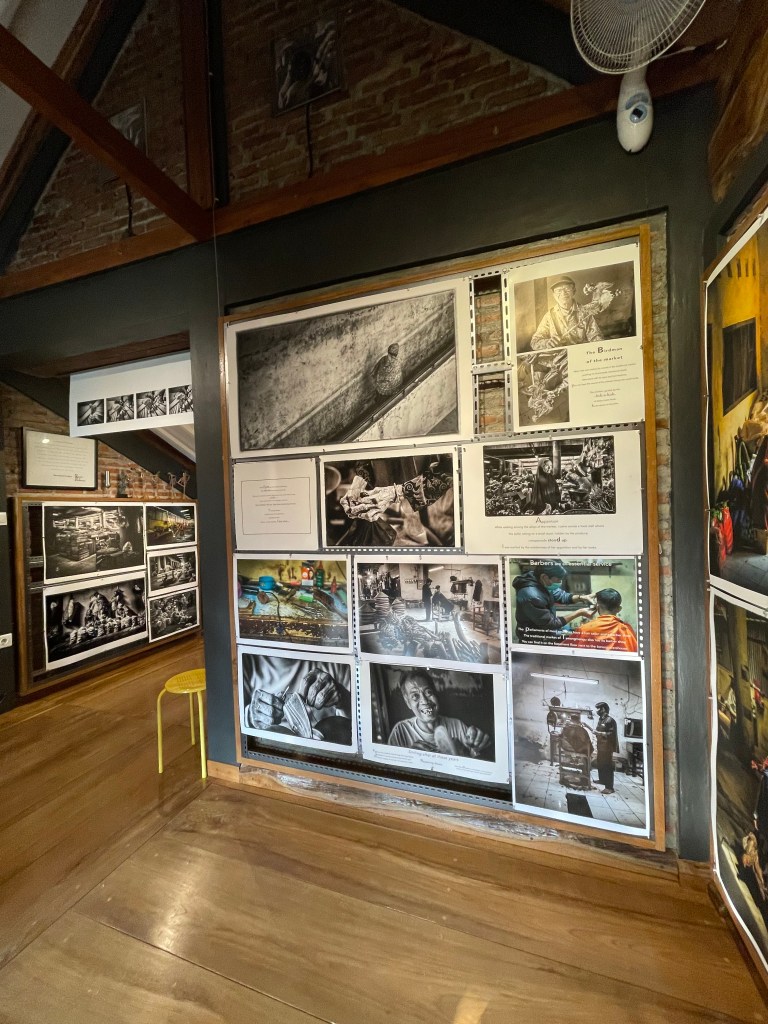
LC: Interesting. Your photography, especially your focus on human interest, is truly captivating. What drives this focus?
Carl Valiquet: Human interest has always been at the core of my work. There’s something incredibly profound in capturing the essence of daily life, the emotions, and the stories behind everyday faces. People and their interactions offer an endless canvas for storytelling.
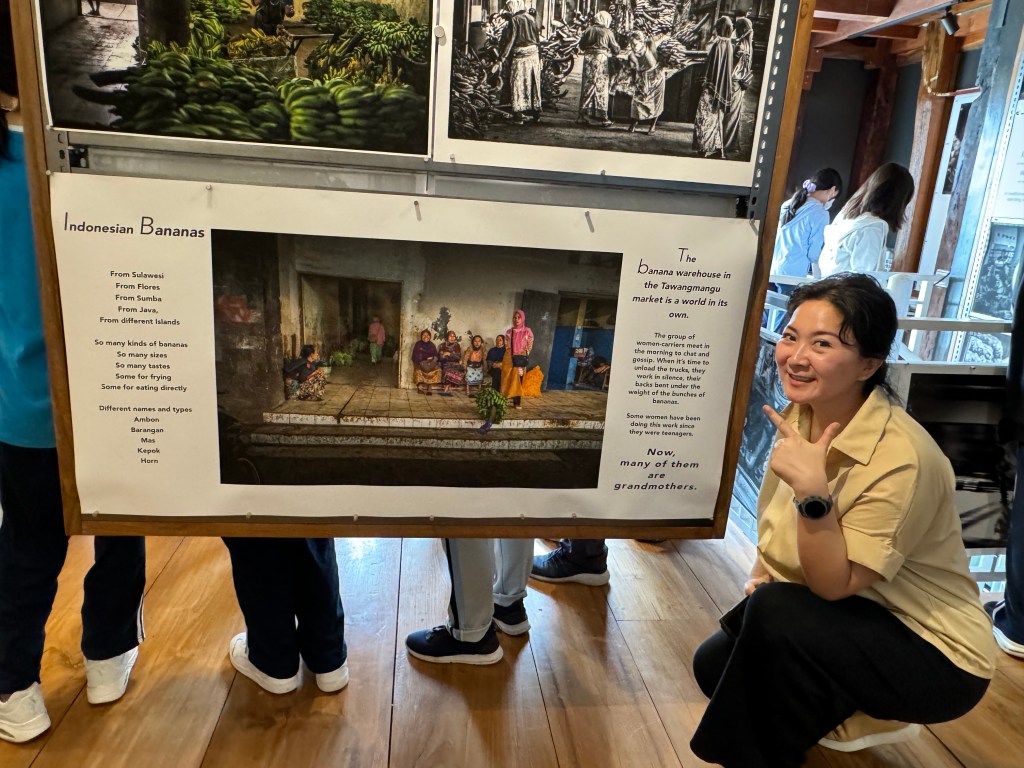
LC: Speaking of which, your recent work at Tawangmangu Market was remarkable. What drew you to that location?
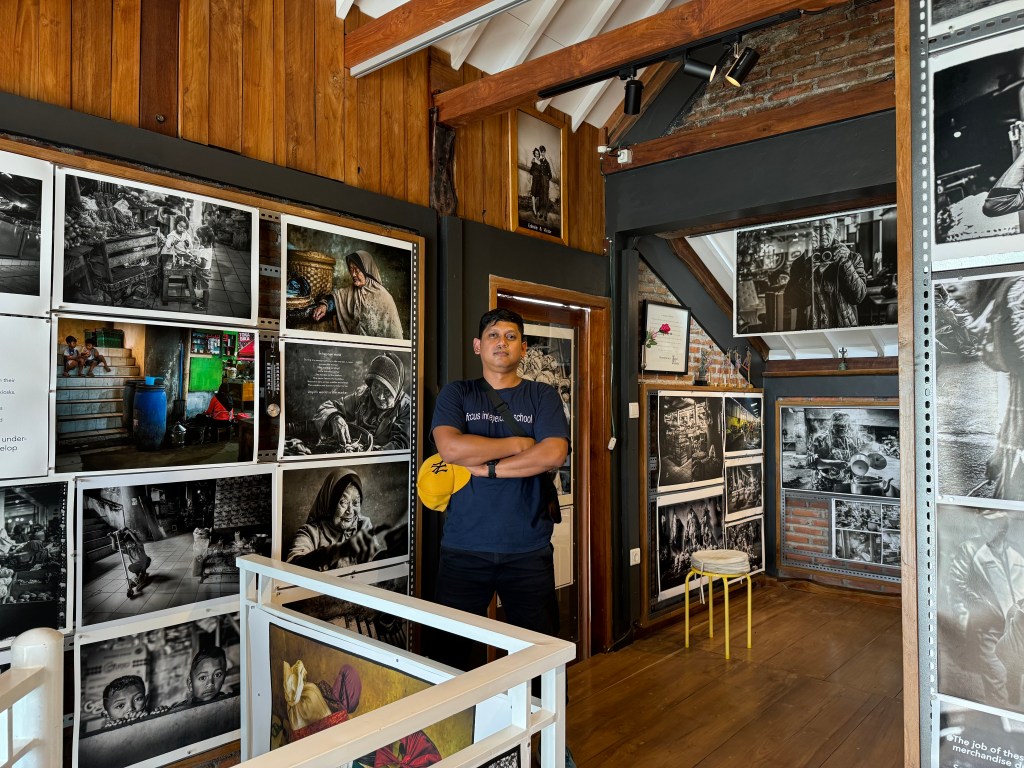
Carl Valiquet: Tawangmangu Market was a fascinating place for me. It’s vibrant, full of life, colors, and stories. Capturing the sellers there, each with their unique personalities and experiences, was an opportunity to showcase the human spirit in its rawest form. The way they interact with their environment, their customers, it’s a dance of life that I find utterly compelling.
LC: Can you share a specific moment from Tawangmangu Market that stood out to you?
Carl Valiquet: One moment that particularly stands out was when I captured an elderly seller, her face lined with the stories of years past, yet her eyes sparkled with a youthful energy. She was arranging her goods, completely absorbed in her task, and in that simple act, there was a story of resilience, of daily life, and of the beauty in the mundane. It was a moment that epitomized what I aim to capture in my photography.

LC: How do you approach photographing people in such intimate settings?
Carl Valiquet: It’s all about respect and empathy. I always make sure to engage with the people I’m photographing, to understand their stories, and to ensure they are comfortable with the camera. It’s important to me that my photography is a truthful representation of their lives and experiences, not an intrusion.
LC: What advice would you give to photographers interested in human interest photography?
Carl Valiquet: Be curious about people and their stories. Spend time understanding the places and communities you photograph. Most importantly, always approach your subjects with respect and compassion. Human interest photography is not just about capturing images; it’s about capturing the essence of human experiences.
LC: In addition to your adventures in places like Tawangmangu Market, you’ve often spoken about photography being a mix of the brain, eyes, and heart. Could you elaborate on that?
Carl Valiquet: Absolutely. To me, photography is a beautiful blend of intellect, vision, and emotion. Each of these elements plays a crucial role in creating impactful images.

LC: How does the ‘brain’ aspect influence your photography?
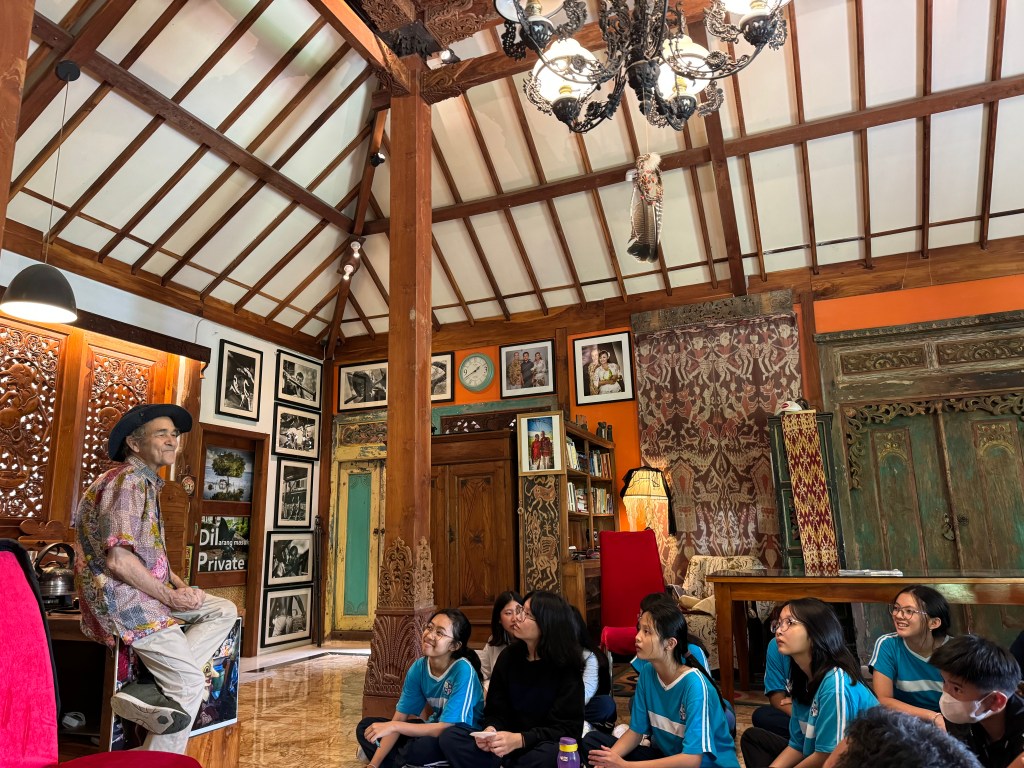
Carl Valiquet: The ‘brain’ refers to the technical knowledge and strategic thinking behind photography. It’s about understanding the mechanics of the camera, the principles of light, and how to manipulate these elements to get the desired result. It’s the part where planning, problem-solving, and technical expertise come into play.
LC: And what about the ‘eyes’? How do they contribute?
Carl Valiquet: The ‘eyes’ represent the artistic and observational part of photography. This is where I look for unique perspectives, composition, and the play of light and shadow in a scene. It’s about seeing the beauty and potential in ordinary moments and framing them in a way that tells a story.

LC: Can you tell us about the role of the ‘heart’ in your work?
Carl Valiquet: The ‘heart’ is arguably the most important aspect. It’s about the emotional connection to what I’m photographing. It involves empathy, passion, and the ability to convey feelings through images. Whether it’s joy, sadness, or nostalgia, the heart is what breathes life into a photograph, making it resonate with others.
LC: How do you balance these three elements in your work?
Carl Valiquet: It’s a constant juggling act. While the brain and eyes take care of the technical and compositional aspects, it’s the heart that often guides the shot. In the end, it’s about harmonizing these elements to create photographs that are not only visually striking but also emotionally stirring.
LC: That’s a wonderful insight into your creative process, Carl. Thank you for sharing that with us.
Carl Valiquet: You’re welcome. Remember, good photography is about more than just what you see; it’s about how you think and feel about what you’re seeing. That’s the key to creating images that truly speak to people. Every person has a story worth telling, and as photographers, we have the unique opportunity to tell these stories through our lenses.***-LC-R




 F I S L C
Leave a comment